
Case Study - Southern Champion Construction
Blake Mitchell • September 6, 2025

Case Study - Southern Champion Construction

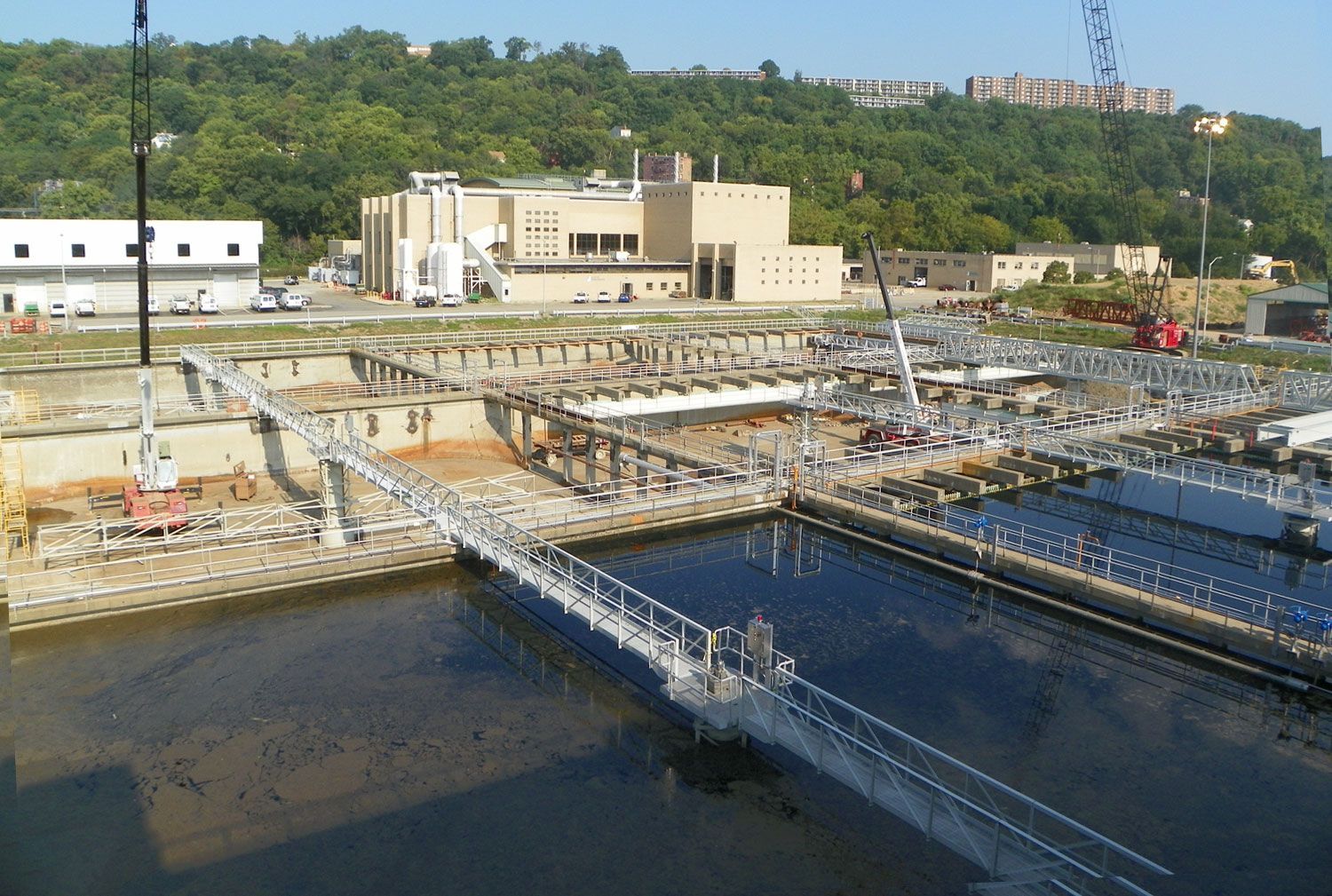
Water treatment plant with tanks, walkways, and a large building. Hills are in the background.

What is important to your business when it comes to IT consulting services or software implementation? Having someone that can assist us despite us being in Savannah. We also need someone that is familiar with our accounting and estimating software, Sage. And someone that can “talk” to us non-tech folks about what is going on. We need someone that can take care of the hardware AND software issues/needs for our company.


What were your challenges/issues prior to beginning a partnership with DKB? Having someone readily available to assist us when we have issues. We also needed to upgrade our server – really to take a look at our entire computer system/network and make sure we were up to date with security as well as using the most update to date versions of software.


What impressed you the most about DKB Consulting's solutions? That while they are a company with a lot of resources and folks to help us, Danny and Garry both met with us. Assured us they can handle any problems we have despite our being in Savannah. They were extremely easy to talk to and work with. They laid out a plan for us – didn’t overwhelm us with a lot of issues all at once. We started with upgrading the server and then worked from there.


How has the staff at DKB done for you and your team thus far? They have upgraded our entire computer network. New server and new desktops. Made sure all the software we use is up to date and all the security we need it in place. They also organized our computer closet – it’s a true thing of beauty now! And have gotten us hooked up with a cellular backup in case the internet goes down.


Would you recommend DKB to your colleagues and friends? Most definitely. DKB knows their stuff and there has never EVER been any issue we have had that they have not been able to fix.


About the Client:

Established in 1977,​ Southern Champion Construction, Inc has moved to the front of the ranks in the construction of water and waste treatment facilities throughout the southeast. We take justifiable pride in our accomplishments, especially in the positive impact we have had on our natural environment. Southern Champion’s commitment to excellence is demonstrated by a solid track record based on our continuing resolve to improve our construction capabilities in today’s complex and changing market. If there is a better way to get the job done, we are determined to find it.


Sheri J. Broom, Secretary-Treasurer

Southern Champion Construction, Inc.

133 Airport Park Drive

Savannah, GA 31408

(912) 964-8700 x26

By DKB Consulting June 7, 2026
Relocating your business—whether you are expanding into a new industrial park in McDonough or opening a fresh storefront in Stockbridge—is a massive logistical challenge. While securing the lease and hiring movers are top priorities, IT infrastructure is the most critical factor in ensuring your business doesn't suffer expensive downtime during the transition. Internet installations and wiring don't happen overnight. If you wait until moving week to think about your network, your team will be sitting at unpowered desks with no Wi-Fi on day one. Here is the essential timeline and checklist for migrating your commercial IT infrastructure in Henry County without missing a beat. The Relocation Timeline Site Audit & ISP Ordering - 60-90 Days Out Check Internet Availability: Do not assume your new location has the bandwidth you need. Verify fiber or high-speed availability with local providers (like AT&T Fiber or Spectrum Business) immediately. Installation for commercial fiber can take anywhere from 30 to 90 days. Audit Current Equipment: Take inventory of your current hardware. Decide what is making the move, what needs replacing, and what should be safely recycled. Cabling & Build-Out - 45-60 Days Out Structured Cabling: Before drywall goes up or desks are moved in, ensure your low-voltage cabling (Cat6 or Cat6a) is installed. You need drops for every workstation, printer, Wi-Fi access point, and VoIP phone. Server Room Prep: Inspect the new IT closet. It requires dedicated cooling (servers generate massive heat), proper ventilation, and isolated power circuits to prevent tripped breakers from taking down your network. Vendor Coordination - 30 Days Out VoIP and Phone Systems: Notify your VoIP provider of the address change to update E911 routing (a legal requirement) and ensure your network is configured to prioritize voice traffic at the new site. Security & Access Control: Schedule the installation of security cameras, keycard access systems, and alarm monitoring. These must be online before any sensitive equipment is moved into the space. Backup & Logistics - 1-2 Weeks Out The Redundant Backup: Run a complete, verified backup of all local servers and data. Store one copy in the cloud and one physical copy off-site. Never move hardware without a confirmed backup. Labeling: Color-code and label every single cable, port, and piece of hardware. A tangled box of unlabeled cords will cost you hours of expensive troubleshooting on the other end. Teardown & Transport - Moving Day Safe Transport: Standard commercial movers are great for desks; they are not equipped for delicate servers. Move your core IT infrastructure separately in climate-controlled vehicles with shock-absorbing transport. Deployment & Testing - Day 1 (Post-Move) Phased Boot-Up: Power on the core network first (modem, firewall, switches). Once the backbone is verified, bring servers online, followed by peripheral devices like printers and VoIP phones. The Walkthrough: Test Wi-Fi dead zones, verify all workstation drops are live, and ensure external access (like VPNs for remote workers) is functioning correctly. 3 Common Relocation Mistakes to Avoid Assuming existing wiring is usable: Just because the previous tenant left cables in the walls doesn't mean they are functional or up to modern speed standards. Have a professional test the existing runs before relying on them. Ignoring physical security: Moving days are chaotic, with multiple doors propped open and strangers walking in and out. Keep your server equipment under strict supervision until it is locked in the new, secured IT closet. Forgetting to update digital footprints: Update your Google Business Profile, local directories, and website footer immediately to reflect your new Henry County address so clients and vendors aren't routed to the old location.
By DKB Consulting June 7, 2026
The days of securing a cyber liability policy with a simple, self-reported questionnaire are over. As of 2026, cyber insurance carriers in Georgia—and nationwide—have shifted their underwriting process from a trust-based checklist to a rigorous technical audit. Faced with rising ransomware payouts, insurers now demand verifiable proof of your security posture before they will issue or renew a policy. For Georgia businesses, from Atlanta enterprises to regional healthcare providers and municipalities, failing to meet these sudden compliance demands means risking massive premium hikes, reduced coverage limits, or outright denial of coverage. If a breach occurs and an investigation reveals your claimed security controls were not actively enforced, your claim will likely be denied. Here is how businesses must evaluate and implement the three non-negotiable pillars of modern cyber insurance. The Big Three: MFA, EDR, and Immutable Backups Insurers have identified the specific vulnerabilities that lead to the most expensive claims, and they are mandating strict controls to close those gaps.
More Posts